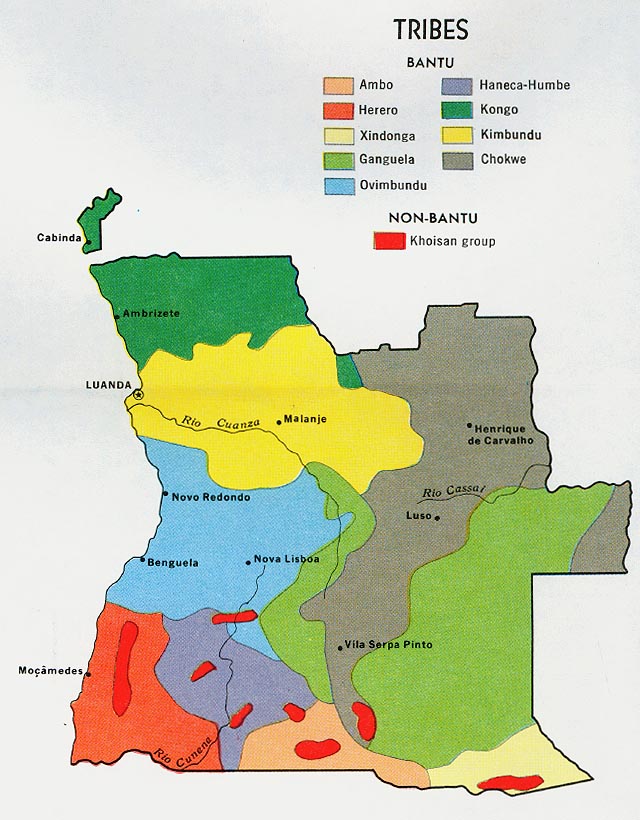
The Bakwe Pygmy people of Angola are part of the broader Pygmy ethnic group, known for their distinct hunter-gatherer lifestyle and shorter stature. They primarily speak the Bakwe language, which belongs to the Bantu language family. Historically, the Bakwe have been semi-nomadic, living in the dense rainforests of Central Africa, including parts of Angola. Their traditional way of life is closely tied to the forest, which provides them with food, shelter, and materials for tools.
Over time, the Bakwe have faced pressures from surrounding agricultural communities, resulting in changes to their lifestyle. Despite these challenges, they have maintained a strong cultural identity, with traditions passed down through generations. Their history is marked by resilience and adaptability, as they continue to navigate the complexities of modern society while striving to preserve their heritage.
The Bakwe Pygmy people lead a semi-nomadic lifestyle, relying on the forest for sustenance. They engage in hunting, fishing, and gathering, with a deep knowledge of the forest ecosystem. Their dwellings are typically temporary structures made from natural materials found in their environment. Social organization is communal, with decisions often made collectively, reflecting their egalitarian society.
In recent years, the Bakwe have faced challenges due to deforestation, land encroachment, and restrictions on their traditional hunting grounds. These pressures have led to increased interaction with neighboring agricultural communities, resulting in both cultural exchange and conflict. Despite these challenges, the Bakwe continue to uphold their cultural practices, including traditional music, dance, and oral storytelling.
The Bakwe Pygmy people practice animism, believing that the forest and its inhabitants possess spiritual significance. They hold ceremonies to honor spirits, seek guidance, and ensure harmony with nature. These rituals are integral to their cultural identity and are often led by community elders or spiritual leaders.
In recent decades, some Bakwe individuals have been introduced to Christianity through missionary efforts. However, the integration of Christian beliefs with traditional practices has led to a syncretic religious landscape. Many Bakwe continue to observe traditional rituals alongside Christian teachings, reflecting a blending of spiritual practices.
The Bakwe Pygmy people face several challenges that impact their quality of life. Access to healthcare is limited, with many communities lacking adequate medical facilities and trained personnel. This results in high rates of preventable diseases and mortality. Educational opportunities are scarce, particularly in rural areas, hindering the development of the younger generation. Schools are often under-resourced, and there is a shortage of qualified teachers.
Infrastructure development is needed to improve transportation, access to clean water, and electricity. Many communities still rely on traditional methods for water collection, which can be time-consuming and unsafe.
Pray for the raising up of local leaders who are firmly grounded in God's word and able to shepherd the Bakwe community with wisdom and love.
Ask God to bring improved access to healthcare, clean water, and education, enriching the daily lives of Bakwe families and communities.
Pray for their spiritual growth, that they may move beyond syncretism and fully embrace the truth of the Christian faith.
Pray that Bakwe Christians would boldly shine the gospel light, leading their people to true hope and peace in the Lord Jesus Christ.
Scripture Prayers for the Pygmy, Bakwe in Angola.
PeopleGroups.org. "Bakwe." Accessed October 2025. https://www.peoplegroups.org/Explore/GroupDetails.aspx?peid=15152
Wikipedia. "Pygmy peoples." Accessed October 2025. https://en.wikipedia.org/wiki/Pygmy_peoples
Encyclopedia.com. "Pygmy Religions
| Profile Source: Joshua Project |