


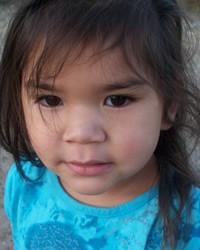

The Luiseno are a Native American people whose traditional homeland lies in southern California, particularly in the areas surrounding present-day Riverside and San Diego Counties. Their name derives from the Mission San Luis Rey de Francia, established by Spanish missionaries in the late 18th century.
Before Spanish contact, the Luiseno spoke their own language, Luiseno, part of the Uto-Aztecan language family. It was used for daily communication, religious ceremonies, and oral storytelling. With colonization, the Luiseno experienced forced assimilation, the loss of land, and a decline in traditional language and customs.
Today, many Luiseno descendants are working to revitalize their language through community programs and cultural education. Currently, English is the main language spoken by the Luiseno people.
Modern Luiseno people live on or near several federally recognized reservations, including La Jolla, Pechanga, Pauma, Rincon, and Soboba. Many also live in nearby urban areas of southern California. Economic life varies among the reservations—some tribes have developed successful enterprises such as gaming, hospitality, and agriculture, while others focus on education and cultural preservation.
Family and community remain central, and the Luiseno take pride in maintaining their traditions through dance, song, and crafts. They also participate in tribal government, environmental stewardship, and intertribal cooperation. Balancing traditional heritage with contemporary life continues to shape the identity of the Luiseno people.
Before European contact, the Luiseno practiced a complex spiritual system centered on a Creator and various spiritual beings connected to nature and the cosmos. Ceremonies marked life events, seasonal changes, and communal harmony. With the arrival of Spanish missionaries, many were converted to Catholicism and lived under mission influence.
Today, Luiseno religious life reflects a blend of traditional beliefs, Catholic traditions, and Christian faith. Some have embraced a personal relationship with Jesus Christ, while others maintain a syncretic approach, mixing elements of both worldviews. There remains a need for the clear presentation of the gospel and discipleship that connects biblical truth with cultural understanding.
The Luiseno people need continued cultural renewal, language revitalization, and spiritual healing from the deep wounds of colonization and cultural loss. Many face struggles related to poverty, substance abuse, and generational trauma.
Spiritually, they need believers who can walk alongside them with humility, demonstrating the love of Christ in practical and relational ways. Churches and ministries near Luiseno communities have opportunities to build trust, encourage reconciliation, and support efforts that restore both cultural dignity and spiritual wholeness in Christ.
Pray that the Luiseno people would experience the peace and restoration that comes through faith in Jesus Christ.
Pray asking God to raise up culturally sensitive believers and leaders among the Luiseno who can share the gospel faithfully.
Pray for healing from historical and generational trauma within Luiseno families and communities.
Pray for the revival of the Luiseno language and traditions in a way that points hearts toward the Creator, the Lord Jesus Christ.
Pray for the mighty work of the Holy Spirit in the hearts of the Luiseno people so that revival will take place among them.
Scripture Prayers for the Luiseno in United States.
Bean, Lowell J., ed. Handbook of North American Indians, Volume 8: California. Smithsonian Institution, 1978.
Luiseno Tribal Websites (Pechanga, Rincon, Soboba, and La Jolla Bands of Luiseno Indians).
Kroeber, Alfred L. Cultural and Natural Areas of Native North America. University of California Press.
Native Languages of the Americas. Luiseno Language and Culture.
| Profile Source: Joshua Project |



