Arikara in United States
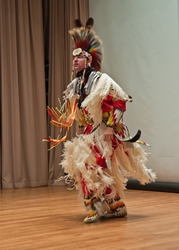
Photo Source:
USDA - Flickr
Creative Commons
|
Send Joshua Project a map of this people group.
|
| People Name: | Arikara |
| Country: | United States |
| 10/40 Window: | No |
| Population: | 3,500 |
| World Population: | 3,500 |
| Primary Language: | English |
| Primary Religion: | Christianity |
| Christian Adherents: | 60.00 % |
| Evangelicals: | 4.00 % |
| Scripture: | Complete Bible |
| Ministry Resources: | Yes |
| Jesus Film: | Yes |
| Audio Recordings: | Yes |
| People Cluster: | North American Indigenous |
| Affinity Bloc: | North American Peoples |
| Progress Level: |

|
Introduction / History
The Arikara, also known as Sahnish, spoke a language from the Caddoan family, closely related to Pawnee but not mutually intelligible. Today, the Arikara primarily speak English. Arikara is an endangered language, with only a few fluent speakers remaining today.
Historically, they separated from the Skidi Pawnee and migrated northward along the Missouri River, eventually settling in present-day North and South Dakota. Their ancestors were part of the mound-building cultures of the lower Mississippi Valley. The Arikara lived in semi-permanent villages of earth lodges and were expert agriculturalists, cultivating corn, beans, squash, sunflowers, and tobacco. Their society was matrilineal, and sacred bundles played a central role in spiritual and communal life.
Encounters with European traders and U.S. military forces in the 19th century led to displacement and cultural upheaval. Today, they are part of the federally recognized Mandan, Hidatsa, and Arikara Nation.
What Are Their Lives Like?
Modern Arikara communities reside primarily on the Fort Berthold Reservation in North Dakota. While many continue to honor traditional practices such as gardening, crafting, and storytelling, they also engage in contemporary professions including education, tribal governance, and energy development.
The Arikara face challenges such as economic hardship, healthcare disparities, and cultural erosion. However, efforts to revitalize the Arikara language and preserve sacred traditions are ongoing. Community events, youth programs, and cultural education initiatives help strengthen identity and resilience.
What Are Their Beliefs?
Traditional Arikara spirituality centers on a belief in a principal creator, Nesharu, and a guiding spirit known as Mother Corn. Sacred bundles, treated as living connections to the divine, are central to ceremonial life. These bundles are cared for by designated bundle-keepers and influence village activities. The Arikara also participated in the Sun Dance and other Plains tribal ceremonies.
Today, many Arikara blend traditional beliefs with Christianity, including Catholicism and Protestant denominations. The Native American Church also has a presence, incorporating peyote rituals and Christian elements.
What Are Their Needs?
The Arikara people have experienced deep cultural and spiritual disruptions over generations due to colonization, forced assimilation, and displacement. While there is a resurgence of interest in cultural identity, there remains a deep need for healing from historical trauma.
Spiritually, many are searching for a renewed sense of purpose and identity. Holistic ministries that respect and understand their cultural background—providing hope, reconciliation, and community restoration through Jesus Christ—are crucial. The Arikara need followers of Jesus who can build genuine relationships, engage respectfully with their traditions, and offer the gospel in a way that brings life and dignity.
Prayer Points
Pray for God to raise up indigenous Christian leaders who can minister within their cultural context.
Pray for healing from generational trauma and restoration of family and community unity that can only truly occur through a personal relationship with Jesus Christ.
Pray that the true Arikara believers would wholeheartedly embrace the Great Commission, preach the gospel, and make disciples in their communities and the world around them.
Pray that the Arikara churches would preach the whole council of God and be a beacon of truth in their communities.