Cahuilla in United States
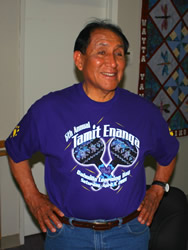
Photo Source:
Chuck Coker - Flickr
Creative Commons
|
Send Joshua Project a map of this people group.
|
| People Name: | Cahuilla |
| Country: | United States |
| 10/40 Window: | No |
| Population: | 900 |
| World Population: | 900 |
| Primary Language: | Cahuilla |
| Primary Religion: | Christianity |
| Christian Adherents: | 60.00 % |
| Evangelicals: | 5.00 % |
| Scripture: | Unspecified |
| Ministry Resources: | No |
| Jesus Film: | No |
| Audio Recordings: | Yes |
| People Cluster: | North American Indigenous |
| Affinity Bloc: | North American Peoples |
| Progress Level: |

|
Introduction / History
The Cahuilla are a Native American people whose ancestral lands cover parts of present-day southern California, especially in the areas surrounding the San Jacinto and Santa Rosa Mountains. Their traditional language, known as Cahuilla or Ivilyuat, belongs to the Uto-Aztecan language family. Although the number of fluent speakers has declined sharply, revitalization efforts are underway through community classes and cultural programs. Historically, the Cahuilla lived in small bands and sustained themselves through hunting, gathering, and some agriculture. The arrival of European settlers, along with missionization and displacement, significantly disrupted their traditional way of life. Despite these challenges, the Cahuilla have retained a strong sense of cultural identity.
What Are Their Lives Like?
Today, many Cahuilla live on one of several federally recognized reservations in southern California, including the Agua Caliente, Morongo, and Torres-Martinez reservations. While some individuals still engage in traditional crafts and cultural practices, others work in modern industries such as tourism, gaming, education, and tribal governance. Tribal enterprises, including casinos and resorts, have brought economic development to some Cahuilla communities, though disparities still exist. Education and healthcare access remain ongoing concerns. Community events, language classes, and tribal gatherings continue to reinforce cultural heritage and intergenerational ties.
What Are Their Beliefs?
Traditional Cahuilla spirituality centers on a complex creation narrative, ceremonial songs, and the importance of natural elements. The Wíkut ceremony, mourning practices, and sacred oral traditions once formed the backbone of religious life. Today, religious beliefs among the Cahuilla are diverse. Some continue to honor traditional beliefs or incorporate them into their spiritual practices, while others have adopted Christianity, particularly Catholicism and various Protestant denominations. The influence of Christian missions in the 19th and 20th centuries significantly changed religious practices, though there is a growing interest among younger generations in reclaiming ancestral spirituality.
What Are Their Needs?
The Cahuilla people face both significant challenges and meaningful opportunities as they work to preserve their cultural and linguistic heritage. While efforts to revitalize the Cahuilla language remain essential for passing it on to future generations, broader concerns such as educational equity, access to quality healthcare, and economic sustainability also weigh heavily on the community.
Spiritually, many Cahuilla are searching for identity, healing, and a renewed connection to their roots. In the midst of these needs, the message of Jesus offers hope, restoration, and transformation. Yet, for this message to be truly received, it must be shared with deep cultural sensitivity and genuine respect for the Cahuilla's history and identity. Reaching the Cahuilla for Christ is not only about proclaiming truth but doing so in a way that acknowledges who they are and invites them into the fullness of life that Jesus offers.
The Cahuilla need of the Scriptures and discipleship materials to be faithfully translated into Cahuilla and readily distributed. There is a need of the Cahuilla believers to embrace the Great Commission and reach those participating on ethnic religions or have no religious affiliation with the gospel.
Prayer Points
Pray for God to bring healing and restoration to communities impacted by historical trauma and cultural loss.
Pray that Cahuilla believers would be equipped to share the hope of Christ in ways that display the love and compassion of Christ.
Pray for the faithful translation of the Bible in their heart language.
Pray for indigenous Christian leaders to boldly stand for the gospel and lead their communities with love and grace.
Pray for the growth of the Cahuilla churches, that they'll be the pillar and ground of the truth.