Comorian, Ngazidja in Mayotte
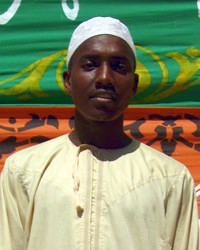
Photo Source:
Woodlouse - Flickr
Creative Commons
|
Send Joshua Project a map of this people group.
|
| People Name: | Comorian, Ngazidja |
| Country: | Mayotte |
| 10/40 Window: | No |
| Population: | 13,000 |
| World Population: | 459,700 |
| Primary Language: | Comorian, Ngazidja |
| Primary Religion: | Islam |
| Christian Adherents: | 0.05 % |
| Evangelicals: | 0.05 % |
| Scripture: | Portions |
| Ministry Resources: | No |
| Jesus Film: | Yes |
| Audio Recordings: | Yes |
| People Cluster: | Bantu, Swahili |
| Affinity Bloc: | Sub-Saharan Peoples |
| Progress Level: |

|
Introduction / History
Comorians, formed from a blend of settlers over many centuries, including Austronesians, Iranian traders, mainland Africans, Malagasy, and Arabs, live on a group of islands in the Indian Ocean between Madagascar and Mozambique; there are four main islands plus several smaller ones. The official name of the islands is the Federal and Islamic Republic of the Comoros. Until 1975, all the islands belonged to France. At that time, the three largest islands declared their independence but Mayotte, the fourth island, chose to remain a French possession. Ngazidja Comorians in Mayotte speak their own dialect of Comorian, though French is naturally the trade language.
Comorians, whose ancient African origins can be seen in their matrilineal social organization, have been influenced culturally by Arabian Islam and the West. Islam is considered synonymous with civilization, but Comorians also have appropriated many aspects of French culture. The official languages French, Arabic, and Comorian reflect that cultural diversity.
What Are Their Lives Like?
On Mayotte Island, Average incomes are substantially higher than in the independent Comoros. However, they have a lower standard of living than people living in other parts of the French world. Many depend on remittances from relatives living in France. Mayotte residents benefit from French government services, the euro currency, social programs, and better infrastructure. Employment on Mayotte is concentrated more in government, education, healthcare, construction, and service sectors than in traditional agriculture.
Rice is the staple of their daily diet, along with manioc and other root vegetables, plantains, fish, coconuts, citrus fruit, pineapples, and milk from grated coconuts. Ceremonial dishes include beef served with white rice and curdled milk as well as enormous cakes. Another traditional dish is gruel or porridge made with the dried fruit of sago palms. French cuisine and imported beverages are becoming prevalent for those who can afford it. Vanilla, cloves, copra, and ylang ylang, which gave the Comoros the name "Perfume Islands," account for most exports to France, Germany, and the United States. Comorians import construction materials, food, and petroleum. France provides the largest amount of aid, followed by the European Union and the World Bank. Large financial transfers come from Comorians from Ngazidja who live in France.
Being matrilineal, it is customary for new Ngazidja families to locating in physical proximity to the family of the wife. Male social organization rests on age group and status. There are musical associations and sports clubs in every village. Female social organization, which is less formal, occurs through help groups and customary associations for development. Most women's organizations are devoted to community development and the training of women and youths. The fundamental social unit for Comorians is the village or city neighborhood. On Ngazidja, the classification of the male population into age and traditional groups gives each person a role in the village hierarchy. Customary oral law includes sanctions against disrespect toward elders, disobedience, theft, and adultery. Until he pays a fine in money or cattle, a convicted person is banished, and he and his family are cut off from the village's social life. If a crime has been committed, the criminal's village may be banished by the regional leaders. Customary law and Muslim law are carried out by Islamic judges in matters of personal rights and inheritance. Modern courts try penal cases.
What Are Their Beliefs?
Ngazidja Comorians are Sunni Muslims from the Shafiite school, one of the most conservative branches of Islamic interpretation and legal practice, yet mosque attendance is very low. Mixed with their Islamic practices is a strong involvement in occultism and spirit possession. Traditionally, the Comorians have been very resistant to any kind of religious change; however, they are gradually becoming more receptive to other ideas. There are few Christian believers due to anti-conversion laws. However, the number of believers in Christ is growing slowly thanks primarily to the witness of the first Comorian believer. The JESUS Film, gospel recordings for oral learners, and the New Testament are also available. In recent years additional Bible translation work has begun, and a translation team has learned enough of the language to compose worship songs. Being very fond of music, the singing of these hymns has created curiosity among the Ngazidje Comorians.
What Are Their Needs?
The physical needs of Ngazidja Comorians are numerous. Major problems on all Comoros Islands include poverty, disease and hunger. Because of a poor water supply, they lack good hygiene. The spiritual needs of Ngazidja Comorians are even greater than their physical needs. Though freedom of religion exists on the islands, evangelism is not well received. Their commitment to Islam, coupled with involvement in occult practices, has made these people difficult to reach. Many associate Christianity with the French colonialists, which adds yet another barrier.
Prayer Points
Ask the Lord to call people who are willing to go to Mayotte Island and share the gospel until there is a movement to Christ. Ask the Lord to send Christian teachers and medical teams to work among the Ngazidja Comorians. Ask the Lord to grant wisdom and favor to mission agencies focusing on the Comorians. Pray that God will give the small number of Ngazidja Comorian believers boldness to share Christ with their own people. Ask God to raise an army of regular intercessors for the Comorians.