Konjo, Coastal in Indonesia
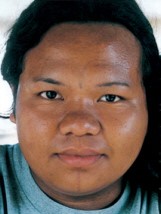
Photo Source:
Copyrighted © 2026
Anonymous All rights reserved. Used with permission |
Send Joshua Project a map of this people group.
|
| People Name: | Konjo, Coastal |
| Country: | Indonesia |
| 10/40 Window: | Yes |
| Population: | 240,000 |
| World Population: | 240,000 |
| Primary Language: | Konjo, Coastal |
| Primary Religion: | Islam |
| Christian Adherents: | 0.50 % |
| Evangelicals: | 0.02 % |
| Scripture: | New Testament |
| Ministry Resources: | Yes |
| Jesus Film: | No |
| Audio Recordings: | Yes |
| People Cluster: | Bugi-Makassar of Sulawesi |
| Affinity Bloc: | Malay Peoples |
| Progress Level: |

|
Introduction / History
The Konjo people cluster consists of two groups: the Konjo Pegunungan (mountain group) and the Konjo Pesisir (coastal group). The Coastal Konjo people are also called Tiro. They live in the districts of Kajang, Herlang, Bonto Tiro and Bonto Bahari in the southeast area of the Bulukumba Regency in South Sulawesi. The Coastal Konjo speak the Konjo language which has several dialects, namely Tana Toa, Konjo Hitam and Kajang. The Konjo language is part of the Makassar language family which also includes Makasar, Konjo Pesisir (Coastal), Selayar and Bentong. They are a community that maintains traditional ways of living, such as wearing black clothes, not using tools, and practicing occultism as part of their animistic worship. The Konjo Hitam (Black Konjo) people, who are included among the Coastal Konjo, occupy an area to the west of Kajang. The Konjo Hitam consider themselves the original inhabitants and regard their area as the center of traditional customs for all of the Coastal Konjo. They have never had a king and do not follow a system of social stratification like other Konjo groups.
What Are Their Lives Like?
As with the Konjo Pegunungan, the Coastal Konjo are farmers. They use the same system of crop sharing as their mountain counterparts. The houses of the Coastal Konjo can be seen all along the main roads, but there are also houses off the main road and near the unirrigated agricultural fields in the rural areas. Their community is divided into a series of governmental administrative units, the smallest of which has 10 households. The Coastal Konjo enjoy gathering in groups to discuss a wide range of matters. They are supportive of each other in work, finances, ceremonies, visiting the sick and offering condolences if there is a death. Despite conflicts among themselves, they are united in facing threats from the outside. The Coastal Konjo tend to be materialistic and proud. They demonstrate a competitive desire to gain more wealth but spend lavishly to impress others. They also feel that they must protect their siri (honor/self-esteem) as well as that of the community.
What Are Their Beliefs?
The Coastal Konjo are Muslim. However, animistic practices are still maintained and the Islamic religious leader does not have much influence. The people choose him for leading religious ceremonies and duties in the mosque. A dukun (shaman/healer/occultist) from the Konjo Hitam is called to perform ceremonies and to heal the sick. An Amma Toa (old father) from the Konjo Hitam is regarded as the religious leader in the area and is feared because of his magical powers.
What Are Their Needs?
The Coastal Konjo need to be prepared for encountering the changes of the modern world so that they can adapt to the changing world without losing their identity. They need leaders who understand loyalty to traditional customs while also introducing new and beneficial practices. Often, their loyalty to certain customs (i.e. paying for lavish ceremonies, refusal of schools) has been to their own disadvantage.
Prayer Points
Pray the hearts of the Coastal Konjo people would be stirred to hunger after God, to drink of living water.
Pray for family-based movements to Christ to transform Coastal Konjo society soon, blessing them spiritually and economically.
Pray for the Lord to move in the hearts of Indonesian believers to give up their own rights and sacrifice their lives to see the Coastal Konjo people blessed by the work of Jesus Christ, the only Savior.