Koyukon in United States
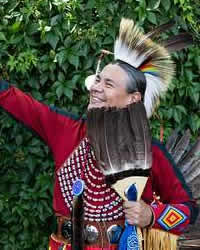
Photo Source:
Carol M. Highsmith - Library of Congress
Creative Commons
|
Send Joshua Project a map of this people group.
|
| People Name: | Koyukon |
| Country: | United States |
| 10/40 Window: | No |
| Population: | 3,000 |
| World Population: | 3,000 |
| Primary Language: | Koyukon |
| Primary Religion: | Christianity |
| Christian Adherents: | 75.00 % |
| Evangelicals: | 6.00 % |
| Scripture: | Portions |
| Ministry Resources: | No |
| Jesus Film: | No |
| Audio Recordings: | No |
| People Cluster: | North American Indigenous |
| Affinity Bloc: | North American Peoples |
| Progress Level: |

|
Introduction / History
The Koyukon call themselves Denaakk?e (meaning "people-like-us") and speak Koyukon, a Northern Athabaskan language once spoken across a large territory along the middle Yukon and Koyukuk rivers. The language exists in several dialects (Upper, Central, Lower) tied to river-village clusters, and it is the most geographically widespread Athabaskan language in Alaska. Efforts to document and teach Koyukon have been carried out by university language centers and local communities.
What Are Their Lives Like?
Koyukon people traditionally lived in small, seasonally mobile villages and subsisted primarily by fishing, hunting, trapping and gathering—especially salmon, whitefish, moose, berries and other local resources. Today many Koyukon continue a subsistence lifestyle while also participating in modern employment, education, and tribal governance in villages along the Yukon and Koyukuk rivers. Community life remains centered on extended family networks, seasonal food cycles, and cultural events, with villages such as Koyukuk, Huslia, Hughes and Allakaket serving as contemporary centers for social life.
What Are Their Beliefs?
Traditional Koyukon religion is rooted in an animistic worldview in which animals, places and natural forces are spiritually significant and morally governed by rules of respect and reciprocity. Shamanic practices and specialized spiritual knowledge historically played roles in healing, hunting ethics, and community rites. Since contact, many Koyukon have also adopted Christianity while some families continue traditional practices or blend elements of both worldviews.
What Are Their Needs?
The Koyukon community faces several interrelated needs that affect cultural resilience and wellbeing. Language preservation and intergenerational transmission are urgent priorities so that younger people can learn Koyukon and cultural knowledge before elders and fluent speakers are lost. Economic and educational supports that respect subsistence lifeways—such as culturally grounded schooling, vocational opportunities in the region, and access to healthcare—help sustain strong families and communities.
Spiritually, while many Koyukon identify with Christian congregations, there is room for culturally sensitive discipleship and leadership development that honors Koyukon identity while clearly presenting the gospel in locally meaningful ways. Finally, healing from historical trauma and strengthening youth programming are important for long-term community health and leadership.
Prayer Points
Pray for spiritual clarity and culturally wise leadership among Koyukon Christians and churches that minister in the region.
Pray asking God to raise up Christian leaders that will shepherd their communities for God's glory.
Pray for the faithful translation of the complete Bible.
There are no known discipleship or outreach materials in the Koyukon language. Please pray for the translation, production, and wide distribution of these materials among the Koyukon people.
Pray for a mighty work of the Holy Spirit in the hearts of Koyukon elders and leaders.