Creek, Muskogee in United States
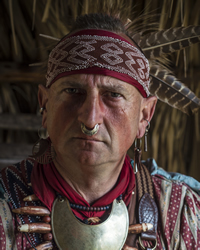
Photo Source:
USDA - Flickr
Creative Commons
|
Send Joshua Project a map of this people group.
|
| People Name: | Creek, Muskogee |
| Country: | United States |
| 10/40 Window: | No |
| Population: | 56,000 |
| World Population: | 56,000 |
| Primary Language: | Muskogee |
| Primary Religion: | Christianity |
| Christian Adherents: | 65.00 % |
| Evangelicals: | 6.00 % |
| Scripture: | New Testament |
| Ministry Resources: | No |
| Jesus Film: | No |
| Audio Recordings: | Yes |
| People Cluster: | North American Indigenous |
| Affinity Bloc: | North American Peoples |
| Progress Level: |

|
Introduction / History
The Muskogee (Creek) people are descendants of a powerful confederacy of Southeastern tribes that originally inhabited what is now Georgia, Alabama, and northern Florida. They were part of the larger Muscogee (Creek) Confederacy, which included several related tribal groups who shared cultural and linguistic ties. Their ancestral language is Muskogee (Mvskoke), a member of the Muskogean language family.
Following the Indian Removal Act of 1830, most Muskogee were forcibly relocated to Indian Territory (present-day Oklahoma) in what became known as the Trail of Tears. There, the tribe reestablished its government and social structures. Today, the Muscogee (Creek) Nation is federally recognized and headquartered in Okmulgee, Oklahoma. Despite centuries of displacement and assimilation pressures, the Muskogee people have retained a strong cultural identity. Language revitalization efforts are ongoing, with community classes, immersion programs, and online tools supporting the preservation of Muskogee.
What Are Their Lives Like?
Muskogee (Creek) people live primarily in Oklahoma, though many reside in other parts of the United States. The Muscogee (Creek) Nation operates a sovereign tribal government with services in education, healthcare, housing, and economic development. The tribe runs businesses such as casinos, farms, and retail operations, and supports programs that promote wellness, culture, and self-sufficiency.
Cultural practices remain a strong part of daily and ceremonial life, including stomp dances, traditional crafts, and the Green Corn Ceremony. Families and communities often maintain close ties through tribal events and church gatherings. While many tribal members enjoy modern opportunities and services, others continue to face social challenges, including poverty, addiction, and educational gaps. Tribal leadership continues to invest in community development, youth programs, and cultural preservation to strengthen future generations.
What Are Their Beliefs?
Traditionally, the Muskogee people practiced a complex spiritual system centered around harmony with nature, sacred fire, and ceremonial cycles. The Green Corn Ceremony was the most important annual event, involving purification, forgiveness, and renewal. Medicine men and spiritual leaders played central roles in maintaining balance and guiding the community.
In the 1800s, Christianity was introduced by missionaries, and many Muskogee people converted, particularly to Baptist, Methodist, and Holiness traditions. Today, Christianity is widely practiced, with many churches operating on tribal lands. However, traditional spirituality still persists, often blended with Christian faith or practiced in parallel. Some families attend both church and stomp grounds, honoring their heritage while embracing Christian beliefs. Religious identity among the Muskogee is diverse, with varying levels of involvement in spiritual practices.
What Are Their Needs?
There is a need for the Muskogee people to abandon blended religious practice and identity. The Muskogee need to find their identity in Christ and begin a new heritage founded on him alone. The Muskogee people continue to work toward preserving their language, culture, and sovereignty while navigating the pressures of modern life. There is a great need for continued language revitalization to ensure that Muskogee is passed on to future generations. Issues such as poverty, substance abuse, and mental health struggles affect some tribal members and require long-term solutions that are both culturally and spiritually sensitive.
Spiritually, many Muskogee have a foundation in Christianity, but there is a need for deeper discipleship and contextualized ministry that speaks to their unique identity and history. Youth engagement, trauma healing, and mentorship from indigenous Christian leaders could strengthen faith communities and support holistic transformation.
Prayer Points
Pray for God to bring deep healing and restoration to those in the Muskogee community who have been impacted by trauma, addiction, and social injustice, that they may experience the redeeming love of Christ.
Pray for unity and spiritual strength among Christian believers, that they may stand together in faith and serve as a beacon of hope.
Pray for indigenous Christian leaders to rise with boldness and wisdom, leading their people with a heart rooted in the gospel.
Pray for the youth of Muskogee, that they would encounter hope, purpose, and transformation through the life-changing message of Jesus.
Pray for the faithful and complete translation of the Bible into the Muskogee language, and for the creation of discipleship and outreach materials in their heart language.
Pray that Muskogee believers would embracing the Great Commission, proclaiming the gospel, and making disciples among their own people.