Xinh Mun in Vietnam
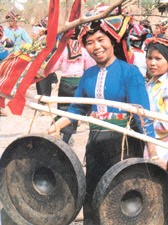
Photo Source:
Copyrighted © 2026
Asia Harvest All rights reserved. Used with permission |
Send Joshua Project a map of this people group.
|
| People Name: | Xinh Mun |
| Country: | Vietnam |
| 10/40 Window: | Yes |
| Population: | 31,000 |
| World Population: | 45,700 |
| Primary Language: | Puoc |
| Primary Religion: | Ethnic Religions |
| Christian Adherents: | 0.00 % |
| Evangelicals: | 0.00 % |
| Scripture: | Translation Started |
| Ministry Resources: | No |
| Jesus Film: | No |
| Audio Recordings: | Yes |
| People Cluster: | Mon-Khmer |
| Affinity Bloc: | Southeast Asian Peoples |
| Progress Level: |

|
Introduction / History
Strangely, the Xinh Mun were counted as a distinct ethnic group in the 1985 Lao census but were not listed in the 1995 census. It is likely they have been incorporated into the Pong ethnic group.
In northern Laos, the Xinh Mun primarily inhabit villages along the Et River in the Xiangkho District of Houaphan Province. A small number live in Thailand, and a larger number are in Vietnam.
Mun are unrelated to the Singmoon ethnic group in Laos, who live near the Thai border.
What Are Their Lives Like?
Xinh Mun communities are often mixed with the Tai Dam. Xinh Mun women also wear clothing and headdresses similar to the Tai Dam. They wear a short vest that has a row of silver buttons carefully made in the shape of butterfly wings. Xinh Mun women are in the habit of chewing betel-nut, which stains their teeth black. Black teeth "are so highly esteemed that one never sees a white tooth save in the mouth of a very young child. Betel-chewing tends to darken the enamel and chut is carefully rubbed on to intensify the black, for it is a common saying, 'Any dog can have white teeth'."
Three generations of the same family living under one roof is common among the Xinh Mun. Their homes are separated into two main sections. One section called the plang is reserved for single men or guests of the family. It also contains the altar for worshiping spirits. The second part, called the xia is the main section where the family sleeps, cooks and eats.
The two main family names among the Xinh Mun are Vi and Lo. Each lineage shares a certain animal that is sacred to them.
What Are Their Beliefs?
The Xinh Mun are an animistic people who are bound by the spirit world.
What Are Their Needs?
Their primary need is to place their faith in Lord Jesus Christ who laid down His life to pay the full penalty for their sins.
The region inhabited by the Xinh Mun on both sides of the Laos-Vietnam border has received very little Christian witness in the past. The nearest community of believers is probably near the city of Dien Bien Phu in Vietnam.
Prayer Points
Pray the long-neglected area where the Xinh Mun live would soon be saturated with the gospel leading to a movement to Christ resulting in church plants and discipleship.
Ask God to make the Xinh Mun people hungry to seek for the truth.
Pray the Xinh Mun would have a godly remnant in their midst, as a witness to those who don't know him.