Wa Parauk in Myanmar (Burma)
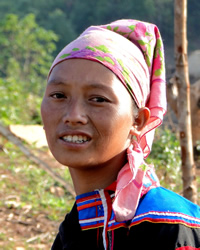
Photo Source:
Asia Harvest-Operation Myanmar
|
Send Joshua Project a map of this people group.
|
| People Name: | Wa Parauk |
| Country: | Myanmar (Burma) |
| 10/40 Window: | Yes |
| Population: | 464,000 |
| World Population: | 850,100 |
| Primary Language: | Wa, Parauk |
| Primary Religion: | Ethnic Religions |
| Christian Adherents: | 30.00 % |
| Evangelicals: | 15.00 % |
| Scripture: | Complete Bible |
| Ministry Resources: | Yes |
| Jesus Film: | No |
| Audio Recordings: | No |
| People Cluster: | Mon-Khmer |
| Affinity Bloc: | Southeast Asian Peoples |
| Progress Level: |

|
Introduction / History
For centuries, the Wa people inhabited the rugged mountains between northeastern Myanmar and China, living in fragmented, independent village-states. Historically known for headhunting rituals believed to ensure fertile crops, their homeland was eventually split in two, leaving most of the Parauk-speaking population under Burmese rule. Although the Communist Party of Burma controlled the region from the 1960s until 1989, the Wa ultimately ousted them. Securing their autonomy, the Wa region functions today as a self-governing nation-within-a-nation, entirely independent of the Myanmar government.
What Are Their Lives Like?
Governed by the United Wa State Party and its military, the region faces deep rural poverty. Most Wa people live in remote, mountainous areas, relying on subsistence farming (rice, maize, and beans) and facing frequent food insecurity. While some have transitioned to long-term cash crops like rubber, tea, or coffee, daily life for most revolves around family-shared agricultural labor. In contrast, urban centers feature diverse trading and technology businesses. Throughout the countryside, traditional bamboo ganlan houses remain common, though the military's presence is constant. Across both rural and urban areas, communities still critically lack reliable farming tools, clean water, and affordable building materials.
What Are Their Beliefs?
The Wa spiritual heritage is a syncretic blend of animism, Buddhism, and Christianity, with animism serving as the foundational framework. Their worldview animates the natural environment, attributing spiritual presence to mountains, rivers, trees, and lightning, which are believed to dictate agricultural yields and personal fortune. Ancestral veneration is central to domestic life, traditionally manifested in the construction of two household hearths—one for utilitarian cooking and the other for ancestral rituals.
While proprietary animal sacrifice was historically prevalent, contemporary Christian Wa populations have abandoned the practice, shifting their social and spiritual focus toward highly cohesive, church-centric communities.
What Are Their Needs?
Because of widespread illiteracy in a common language, there is a critical need for basic formal schooling and education. Having been displaced from their traditional mountaintop agriculture, they require help developing skills to navigate a completely new working environment. Specifically, they need training in modern agricultural techniques, financial literacy, and sustainable livelihood programs. Access to basic healthcare is vital, including maternal care, essential medicines, resources for mental health, and support for healing from opium addiction. Many individuals lack citizenship documentation, which severely limits their freedom of movement. There is a deep need for deliverance from the fears born of their traditional animistic beliefs. They live with a constant fear of illness, crop failure, and bad luck, all of which stem from these traditional views.
Prayer Points
Thank the Lord for the work of the Holy Spirit that has brought many from darkness to light.
Pray that Wa Christian believers will share their hope and disciple others, spreading new life from family to family.
Pray for access to basic formal schooling and language literacy, and that they would quickly acquire the skills needed for modern agriculture and financial independence.
Pray for available healthcare, maternal care, and essential medicines.
Lift up those battling opium addiction, asking for physical healing and robust mental health resources.
Pray that they will be granted citizenship documentation, ensuring their freedom of movement and full civil rights.