Yaw in Myanmar (Burma)
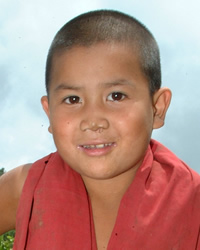
Photo Source:
Asia Harvest-Operation Myanmar
|
Send Joshua Project a map of this people group.
|
| People Name: | Yaw |
| Country: | Myanmar (Burma) |
| 10/40 Window: | Yes |
| Population: | 22,000 |
| World Population: | 22,000 |
| Primary Language: | Burmese |
| Primary Religion: | Buddhism |
| Christian Adherents: | 0.15 % |
| Evangelicals: | 0.15 % |
| Scripture: | Complete Bible |
| Ministry Resources: | Yes |
| Jesus Film: | Yes |
| Audio Recordings: | Yes |
| People Cluster: | Burmese |
| Affinity Bloc: | Tibetan-Himalayan Peoples |
| Progress Level: |

|
Introduction / History
The Yaw live in the western central part of Myanmar in valley and hill areas between the Chindwin River and the Chin Hills, and their main language is the Yaw variety of Burmese. Linguists describe Yaw as a regional variety that differs in pronunciation and some vocabulary from the national standard while remaining closely related to Burmese. Historical and colonial era sources record varying population estimates and differing views on classification, and modern language surveys note that Yaw has been treated both as a distinct dialect and as part of the broader Burmese dialect continuum. The borderland and riverine setting have shaped Yaw settlement and cultural exchange over time.
What Are Their Lives Like?
Yaw communities live in valley and upland settlements where agriculture, fishing, and local trade shape daily life. The landscape of rivers and nearby mountains provides fertile soils and water resources that support crop cultivation and riverine livelihoods. Social organization centers on village institutions and kin networks, and weaving and other local crafts are part of material culture. Recent political disruptions in the wider country have affected local security and movement, with consequences for livelihoods and access to services.
What Are Their Beliefs?
Religious life among the Yaw is predominantly Theravada Buddhist, with customary practices and local ritual forms woven into daily life. Small numbers of other faiths are present in some places, and community religious practice is shaped by regional temple networks and local traditions. Mission and audio resource projects have produced materials in the Yaw variety in the past, and a very small number of Yaw people are thought to follow Christ today.
What Are Their Needs?
Yaw communities need culturally appropriate support for education and literacy that recognizes the Yaw speech variety, improved access to healthcare and basic services in remote settlements, and livelihood assistance that strengthens local agricultural and riverine economies. Given recent political and security disruptions reported in the region, communities also need reliable information, safe access to markets and services, and locally led development planning. Language documentation and support for oral tradition preservation are priorities for maintaining the Yaw speech variety.
Prayer Points
Pray for believers from among the Yaw to grow as faithful workers, for the Holy Spirit to guide them and their families, and for them to be accurate and loving witnesses of Christ to their neighbors.
Pray for improved access to healthcare and for practical support for families facing medical challenges.
Pray for expanded educational and vocational opportunities for children and youth, and for local leaders to make wise and just decisions that benefit the community.
Pray for preservation of the Yaw speech variety and oral traditions, and for sustainable stewardship of the local environment and riverine resources.