Khualsim in Myanmar (Burma)
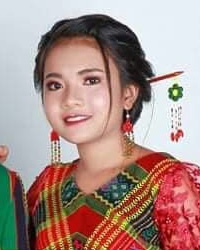
Photo Source:
Asia Harvest-Operation Myanmar
|
Send Joshua Project a map of this people group.
|
| People Name: | Khualsim |
| Country: | Myanmar (Burma) |
| 10/40 Window: | Yes |
| Population: | 9,900 |
| World Population: | 9,900 |
| Primary Language: | Chin, Falam |
| Primary Religion: | Christianity |
| Christian Adherents: | 94.00 % |
| Evangelicals: | 47.00 % |
| Scripture: | Complete Bible |
| Ministry Resources: | Yes |
| Jesus Film: | Yes |
| Audio Recordings: | Yes |
| People Cluster: | Kuki-Chin-Mizo (Zo) |
| Affinity Bloc: | Tibetan-Himalayan Peoples |
| Progress Level: |

|
Introduction / History
The Khualsim are a small ethnic group found in Myanmar, primarily in Chin State, especially in the townships of Falam and Hakha. The Khualsim tribe inhabits 16 villages in eastern Chin State. Their territory straddles both Falam and Hakha townships, with villages southeast of Falam and northeast of Hakha, near the juncture where Chin State touches the Sagaing and Magway regions. Their language is a variety of Falam Chin, which connects them to a wider network of related peoples across western Myanmar and northeast India.
Historically, the Khualsim, like many Chin groups, lived in relatively isolated hill communities, governed by local customs and tribal leadership structures. Life in these mountainous regions fostered strong communal identity, resilience, and interdependence. Over time, the arrival of Christian missionaries in Chin State significantly influenced their cultural and spiritual development, leaving a lasting legacy among the Khualsim. The battle for the Khualsim to be recognized as a distinct people group has gone on for generations, with most sources, including Christian ministries, simply viewing them as a dialect group of Falam Chin.
Warfare and struggle have played prominent roles throughout Khualsim history. In 1860, they joined forces with the neighboring Zanniat tribe and attempted to seize the town of Tlasun. Only those who fled to Burmese areas evaded the death penalty. The result of the rebellion proved disastrous. They became for all purposes the slaves of the Tlasun and were forced to carry salt and rice from Burma. In the past, before their conversion to Christianity, three main social classes existed among Chin people in this part of Myanmar: "The chief or ruling class, the middle or free commoners, and the slaves. All those of pure blood came within the chief or ruling class. The children of a common woman would be commoners, and those from a slave woman would be slaves. A man could have as many wives as he could afford to purchase."
What Are Their Lives Like?
The Khualsim people traditionally live in rural, mountainous areas where daily life revolves around agriculture and community cooperation. Farming, particularly shifting cultivation and small-scale crop production, forms the backbone of their livelihood. Families often work together in the fields, strengthening bonds between generations and reinforcing shared responsibility.
Family life is central to Khualsim society, with close-knit households and strong respect for elders shaping social dynamics. Decisions are often influenced by extended family relationships, and communal support is common in times of celebration or hardship.
Cultural celebrations reflect both traditional Chin heritage and Christian influences. Festivals may include music, dancing, storytelling, and communal meals that celebrate identity and faith. Food is generally simple but nourishing, consisting of rice as a staple along with vegetables, meats, and locally prepared dishes that reflect the resources of the highland environment. Even in the midst of modernization, many Khualsim continue to value their traditions while adapting to broader societal changes in Myanmar.
What Are Their Beliefs?
Animism had a vice-like grip on the Khualsim for centuries, with one source saying: "People fear spirits or devils who are under the rule of the king of spirits. The spirits live on the earth, below the earth. in the sky, in springs, trees, caves, mountains, streams, houses, and even in human bodies."4 The Gospel first reached the Khualsim area in the early 20th century, and people embraced Jesus when they saw He offered them freedom from being enslaved to the spirit world.
Global Recordings was one of the first to meet the needs of the Khualsim people by producing gospel audio recordings in their language, which served as a precursor for the Khualsim New Testament that was published in 2013. Christianity has become the dominant religious identity among the Khualsim, largely due to the influence of missionary efforts in Chin State over the past century.
Church life plays a significant role in community structure, providing not only spiritual guidance but also social cohesion and moral teaching. Scriptures are available in their language, and Christian gatherings are a regular part of life.
At the same time, as with many Chin groups, elements of traditional beliefs may still influence worldview and daily practices, especially in rural areas where older customs remain strong. These can include respect for ancestral traditions and a continued awareness of the spiritual realm. Within this context, the understanding of the gospel can vary in depth, and ongoing discipleship is important for spiritual growth and maturity.
What Are Their Needs?
The Khualsim people face challenges connected to their remote location, including limited access to healthcare, education, and economic opportunities. Infrastructure constraints and political instability in Myanmar contribute to difficulties in transportation, employment, and long-term development.
A deeper grounding in biblical teaching and discipleship would strengthen existing Christian communities and help believers grow in their faith and witness. Opportunities for leadership development within local churches could equip individuals to guide their communities with wisdom and spiritual maturity.
Greater connection to the global body of Christ could encourage the Khualsim to see their role not only as recipients of the gospel but also as participants in sharing it with other groups who have little access. Emotional resilience and hope are also needed amid uncertainty, enabling families to flourish despite external pressures.
Prayer Points
Pray that the Khualsim people would experience improved access to education, healthcare, and sustainable livelihoods, allowing families to thrive physically and economically.
Ask God to bring peace and stability to their region so that communities can develop without fear or disruption.
Intercede for the church among the Khualsim, that believers would grow in a deep and personal relationship with Jesus Christ and be rooted firmly in biblical truth.
Pray that pastors and leaders would be equipped with wisdom, humility, and strength to disciple others effectively.
Ask the Lord to raise up a vision for missions within the Khualsim community, sending workers from among them to share the gospel with peoples who have not yet heard.
Pray that the Holy Spirit will unify and empower the Khualsim believers to become an active part of the global discipleship movement, bringing hope and transformation to many.