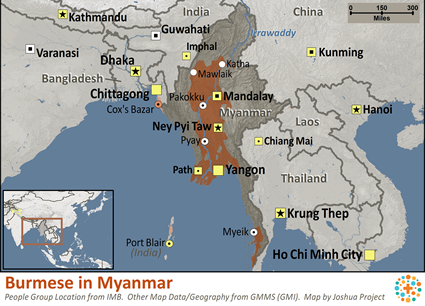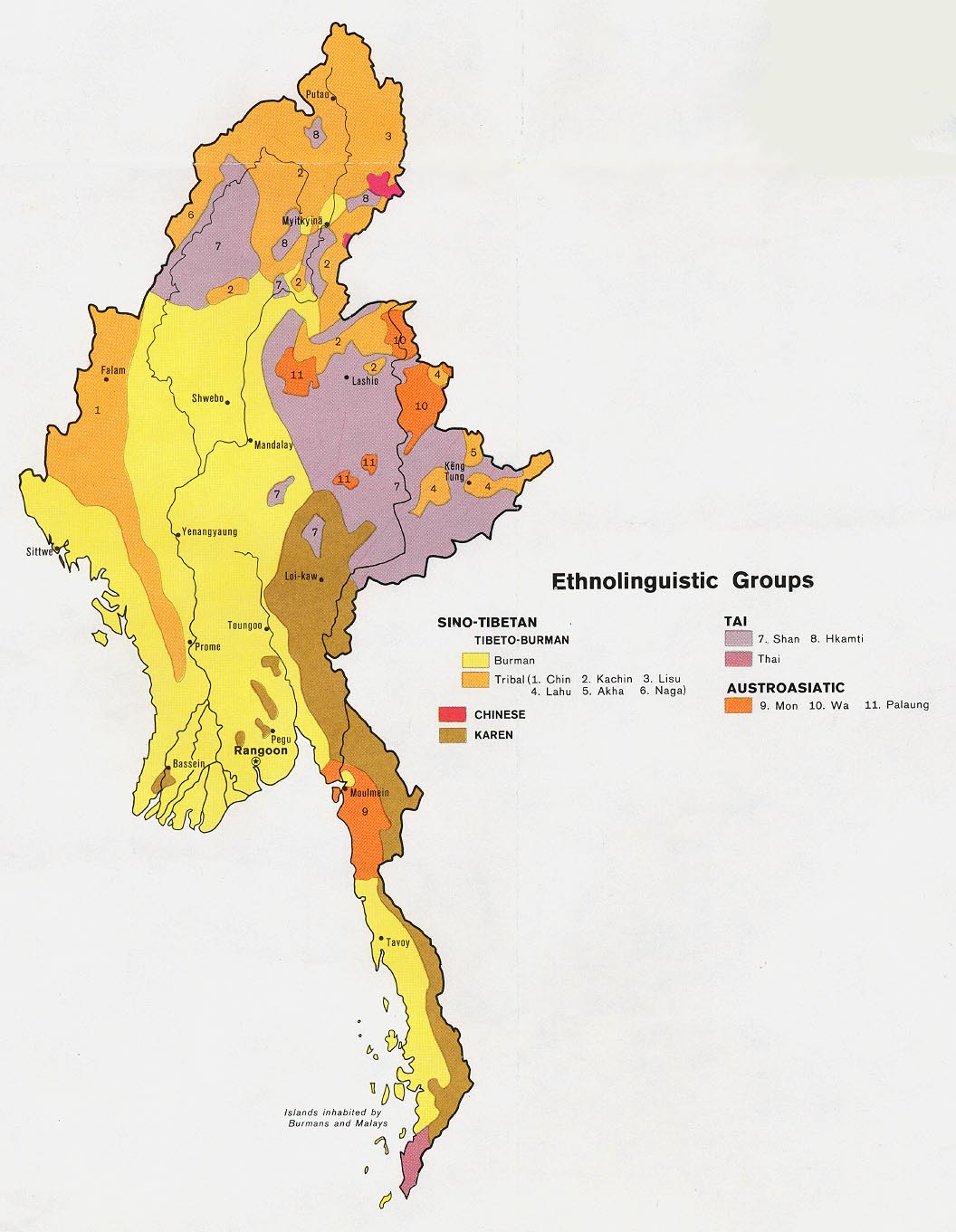

The Burmese are one of Asia's great ethnic groups. Also known as the Barma, which gave birth to the old country name Burma, they also refer to themselves as the Myan or Myen, from which the new name of Myanmar is derived. Having absorbed cultural influences from China, India, Thailand, and elsewhere, the Burmese possess a rich cultural heritage.
The Burmese language, which has three tones and consists of 31 consonants and eight vowels, is part of the Tibeto-Burman family, completely different from other regional giants such as Thai, Chinese, Malay, and Khmer. Millions of people from other tribes and groups in Myanmar speak Burmese as a second language, as it is the national language of education and media. Many Mon, Shan, and Karen people have lost the use of their mother tongue and are now monolingual in Burmese.
The Burmese originated in southwest China and began migrating to today's Myanmar in the ninth century AD. Although the Burmese like to portray themselves as the ancient occupants of Myanmar, other peoples like the Mon were already established millennia before they arrived. The Burmese quickly became the dominant power in the fertile Ayeyarwady River Valley, establishing a great capital at Bagan in 1044. Historically, the Bamar people emerged as a dominant force around the 9th century with the rise of the Pagan (Bagan) Kingdom, which became a center for Theravada Buddhism and Burmese culture. Over time, successive kingdoms strengthened their cultural and religious influence. British colonial rule in the 19th and early 20th centuries introduced political and economic upheaval, followed by independence in 1948. Since then, Myanmar has experienced cycles of military rule, civil conflict, and social change, all of which have deeply affected the Burmese people's national identity and daily lives. Since the 1960s, Myanmar has seen a succession of coups and wars as the Burmese seek to maintain power over more than 200 other groups that form the ethnic fabric of Myanmar.
The brutal civil war has seen levels of barbarity and genocidal killings that have caused many of Myanmar's citizens to despise their Burmese rulers.
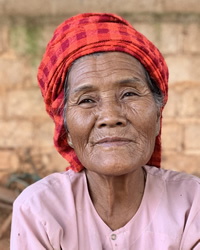
Most rural Burmese families lead simple lives raising animals and growing rice, fruit, and vegetables. In the cities they run businesses and serve as government employees. Most Burmese people live in both rural villages and growing urban centers. Daily life often revolves around family, community, and religious observance. Traditional values emphasize respect for elders, strong family ties, and communal responsibility. In cities, modern influences coexist with long-standing customs, bringing both opportunities and challenges, especially for younger generations navigating education, employment, and global culture. Economic hardship remains a reality for many, with limited access to consistent healthcare, quality education, and infrastructure in some regions. Political instability in recent years has further complicated livelihoods, contributing to displacement, poverty, and uncertainty for many families.
The Burmese have zealously followed Theravada Buddhism since the 11th century, when the King of Burma invited the monk Arahan from Ceylon (now Sri Lanka) to instruct him and his subjects on the teachings of Buddha. The Pali script (derived from Sanskrit) was introduced, and over the next millennium Buddhism became intertwined with the Burmese ethnic identity. Today tens of thousands of temples are scattered throughout the country, although the faith of many is mixed with nat (spirit) worship.5
Baptist missionary Adoniram Judson arrived in Burma in 1813. Facing extraordinary hardships, imprisonment, and loneliness, Judson and his family almost single-handedly established the Gospel in this seat of Buddhism, and he translated the Bible into Burmese in 1835. Through eyes of faith, Judson saw a day when Jesus would conquer the teachings of Buddha. He boldly predicted: "A still, small voice will before long sweep away every vestige of Buddha's dominion. The churches of Jesus will soon supplant these idolatrous monuments, and the chanting of the devotees of Buddha will die away before the Christian hymn of praise." Although they remain one of the largest unreached groups in the world, with only about one percent believing in Christ, in recent years tens of thousands of disillusioned Burmese have placed their trust in Christ. More Burmese have become Christians in the past decade than in the previous 200 years combined.
The Burmese people face complex physical and social challenges that affect their well-being. Access to stable employment, healthcare, and education remains uneven, particularly in rural and conflict-affected areas. Ongoing political tensions and economic limitations contribute to uncertainty and hardship for many families. Emotional and psychological burdens stemming from instability, poverty, and displacement create a deep need for hope and restoration. Spiritually, there is limited understanding of the gospel message, and many communities have little or no exposure to Christian teachings. Greater availability of Scripture in heart languages, culturally relevant discipleship, and compassionate outreach can help address both practical and spiritual needs.
Ask the Lord to raise up both local believers and cross-cultural workers who are equipped with love, wisdom, and perseverance to serve faithfully.
Pray for peace and stability across Myanmar so that families may live without fear and rebuild their lives with dignity.
Ask God to provide for the physical needs of the Burmese people, including food security, access to healthcare, and opportunities for education and meaningful work.
Pray for those who are suffering from the effects of conflict and poverty, that they would experience comfort, healing, and renewed hope.
Intercede for the spread of the gospel among the Burmese people, that the message of Jesus Christ would be clearly communicated and received in ways that resonate within their cultural context.
Pray for existing Christian communities to grow in unity, maturity, and boldness, becoming a strong part of the global mission force.
Finally, ask that many Burmese individuals and families would encounter Christ personally and respond in faith, leading to transformed lives and communities.
Scripture Prayers for the Burmese in Myanmar (Burma).
Asia Harvest
Operation World. Myanmar (Burma), various editions.
Myanmar Ministry of Information and historical records on Burmese history and culture.
| Profile Source: Joshua Project |
| Other PDF Profile |