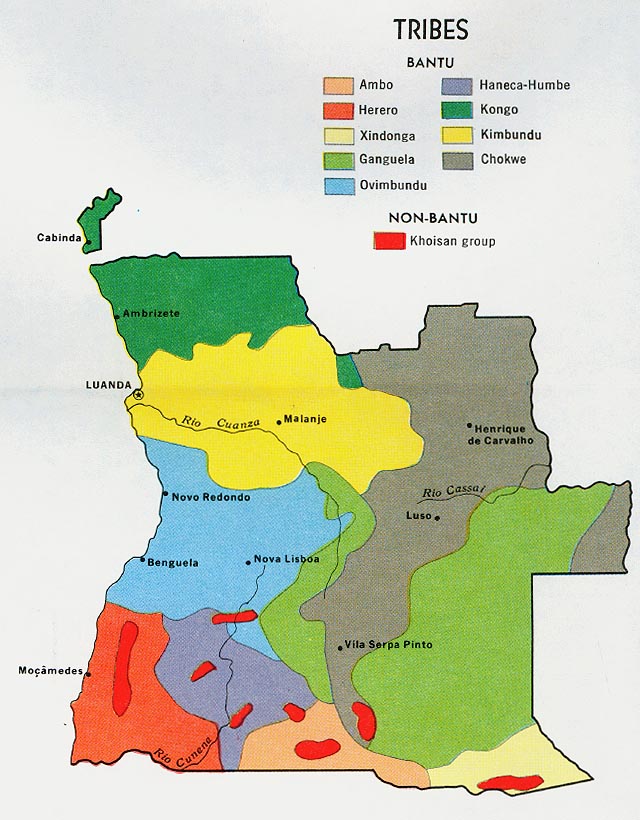

The Kongo people are one of the largest Bantu ethnic groups in Central Africa, with historical roots tied to the ancient Kingdom of Kongo, a centralized and influential polity that once stretched across parts of present-day Angola, Republic of Congo, and the Democratic Republic of the Congo (DRC). Within the DRC, the Kongo are concentrated largely in the Kongo Central province and surrounding regions, speaking the Koongo (Kikongo) language, a major Bantu language in the region. A complete Bible in Koongo exists, and Christian resources such as the Jesus Film and audio recordings are available.
Daily life among the Kongo is deeply communal and family-oriented, with extended family and clan networks shaping social support and responsibilities. Agriculture remains central to many families, with subsistence farming of cassava, bananas, maize, and other staples supporting village economies. Market activity in towns links rural producers with broader trade, while music, dance, and shared cultural celebrations are part of community identity and family life. Hubs of church activity often serve as focal points for social gatherings and youth engagement.
A large majority of the Kongo in the DRC identify as Christian, with a significant portion professing evangelical faith. The Koongo language community has access to a complete Bible and associated Scripture resources, which are actively used in worship and discipleship. Traditional beliefs related to ancestors and spiritual forces historically shaped Kongo worldview, and cultural expressions sometimes persist alongside formal Christian identity, but the dominant religious identity today is Christian.
Although numerically Christian, many Kongo believers still need deeper biblical discipleship and solid theological grounding that equips local leaders to guide churches faithfully. Training for pastors and teachers will strengthen church health and help communities navigate the interplay between historic cultural beliefs and Christian faith. Access to education, healthcare, and economic opportunities remains uneven — especially outside urban centers — affecting overall quality of life and stability for families.
Pray that Kongo believers would grow in Scripture knowledge and Christlike obedience across all generations.
Pray for biblically grounded pastors and teachers who will disciple others to make more disciples.
Pray that resources like Koongo Bibles, audio Scriptures, and Christian media would reach every village and home.
Pray for unity and spiritual maturity that overcomes any lingering cultural practices that compete with the gospel.
Pray for strengthened families, economic opportunity, and access to health and educational opportunities.
Scripture Prayers for the Kongo in Angola.
References
| Profile Source: Joshua Project |