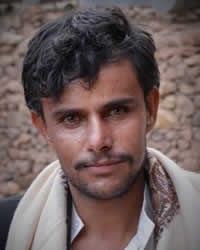

The Mahri (Mehri), also known as Mahra tribe, is an indigenous ethnic group in South Arabia, living mainly across Al?Mahrah (Yemen), Socotra, and Dhofar (Oman). They trace their origins to the ancient South Arabian lineage of Mahra ibn Haydan. The Mahri living in Oman are historically connected to the tribes of eastern Yemen, and many Mahri families have long moved across the borderlands of southern Arabia.
Mahri people played notable roles in early Islamic history, including sending a delegation to Muhammad and embracing Islam under his protection. They were also active in wider regional events, participating in the Muslim conquests of parts of North Africa. Their historical influence extended across southern Arabia and the Horn of Africa, reflecting a long legacy of mobility, trade, and martial involvement. During the 20th century, political borders became more defined, and Mahri communities gradually integrated into the Omani state.
Mahra social structure is based on the tribe. Each tribe is ruled by a sheik, who is considered an expert in Islam and in relating to the outside world. His responsibilities include administering justice, protecting the tribe, sustaining tribal status and providing grazing territory for the herds. They fiercely defend their territory, and they try to control goods and people who pass through.
Social life is extremely important to the Mahra. They share a daily coffee time while sitting on the floor and planning the next day's activities. Because wood is expensive and scarce, they use animal dung as fuel for cooking. The typical daily diet consists of wheat bread and porridge, with an occasional addition of boiled meat or chicken.
The Mahra are an endogamous tribe, which means that they only marry within a small social circle. They are also generally monogamous (one wife, one husband). In the past, marriages were arranged by families, but, increasingly, individual choice is becoming acceptable. Children are viewed as the family's greatest asset. They receive inheritances patrilineally (inherited by the next male family member). In this system, boys inherit more than girls. Women are valued for their ability to have children and bond families through marriage.
The Mahri continue to preserve elements of their distinct identity, including the Mehri language. While many now live in settled communities and participate in modern education and employment, some still maintain aspects of their semi-nomadic heritage and tribal social structures.
Despite the teachings of Islam, traditions that uphold different social classes still persist. The manner of dress has become one of the distinguishing factors of class. When boys become men, they change their headgear and begin wearing daggers.
Mahris are Sunni Muslims; Islam is central to their individual and corporate identity. Though they believe in the Five Pillars of Islam and the teachings of their holy book, the Koran, few can read classical Arabic. They believe in the basic tenets of Islam, but for their daily needs, they look to the spirit world. These must be appeased and treated with care or there can be retribution.
Within Oman's traditional tribal structure, the Mahra were classified as semi?nomadic warriors, a status considered lower in rank compared to other Omani tribes. This has affected their social mobility, recognition, and influence in wider Omani society. Limited infrastructure and job opportunities persist within Mahri communities, particularly in rural areas. Traditionally reliant on activities such as herding, fishing, and small trade, these communities have seen younger generations migrate to larger Omani and Gulf cities in search of employment.
Because the Mahri live along the border between Oman and Yemen, they are sometimes affected by regional politics. Military activity and border controls in Yemen's Mahra region affect trade networks and cause economic hardship for communities relying on trade and fishing. External actors and armed groups have created instability in nearby areas, which caused disruption of cross-border tribal relations and family ties.
Pray for peace and stability along the Oman Yemen border, particularly in the Mahra region. Ask that military tensions and instability would decrease, trade routes would reopen safely, and that cross-border family and tribal relationships would be restored and protected.
Pray for the Lord to send out harvest workers who will live among the Mahra people, and there will be Christ followers to disciple them.
Pray that the Mahri people would experience greater dignity and respect as they encounter Jesus, knowing that they are truly treasured by our Lord.
Pray for a complete Bible in their language.
Pray for Mahra family leaders to have dreams and visions of Jesus Christ that will open entire clans to his saving grace.
Scripture Prayers for the Mahra, South Arabic in Saudi Arabia.
| Profile Source: Joshua Project |