


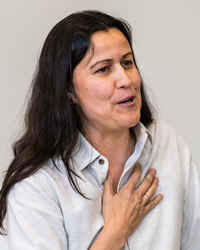

The Mohave are indigenous to the southwestern United States, primarily inhabiting areas along the Colorado River in Arizona, California, and Nevada. Historically, they were prosperous farmers and traders, with networks extending as far as the Pacific Ocean. Their origin stories trace their beginnings to Spirit Mountain, a sacred site in the Newberry Mountains, where their spirit mentor Mutavilya created the river and taught them the arts of civilization.
The tribe faced significant disruption with the arrival of European settlers and the establishment of a U.S. military outpost in 1859. Today, they are enrolled in the Fort Mojave Indian Tribe and the Colorado River Indian Tribes, maintaining their cultural identity despite centuries of external pressures.
Modern Mohave communities live on reservations such as the Fort Mojave Indian Reservation and the Colorado River Indian Reservation. Many tribal members engage in agriculture, education, and tribal governance, while others work in nearby towns or cities.
The tribe has made efforts to preserve its language, traditions, and ceremonies, although English is widely spoken. Community life often centers around family, tribal events, and cultural preservation. Access to healthcare, education, and economic opportunities varies, with ongoing efforts to improve infrastructure and services within the reservations.
The Mohave traditionally follow an indigenous spiritual system rooted in their creation stories and reverence for nature. Their beliefs center on the Great Spirit Matavilya and his brother Mastamho, who shaped the world and guided the people. Rituals, songs, and oral traditions play a vital role in maintaining spiritual practices. While some Mohave have adopted Christianity or other religions, many continue to honor their ancestral beliefs through ceremonies and cultural expressions that connect them to the land and their heritage.
Access to quality healthcare remains a concern, particularly in remote reservation areas. Educational resources and language revitalization programs are essential to preserving Mohave identity. Economic development is needed to create sustainable employment and reduce poverty. Environmental protection of the Colorado River and surrounding lands is critical, as these areas hold spiritual and practical significance. Strengthening tribal sovereignty and legal protections continues to be a priority for long-term stability and cultural preservation.
Pray for spiritual openness and encounters with the love of Christ among Mohave families.
Pray that the Mohave people would fall in love with the true Great Spirit.
Pray asking God to raise up Mohave Christian leaders who will shepherd their communities for God's glory in patience, grace, and love.
Pray that the Mohave Christian would wholeheartedly embrace the Great Commission and preach the gospel and make disciples of their own people and the world around them.
Pray for the faithful translation of the Bible in the Mohave language.
Finally, pray for the translation, production, and wide distribution of discipleship and outreach materials in the Mohave language.
Scripture Prayers for the Mohave in United States.
Mohave people - Wikipedia
Mojave Tribe - U.S. National Park Service
Fort Mojave Indian Tribe - Native American Advancement
About Us – Fort Mojave Indian Tribe
| Profile Source: Joshua Project |



