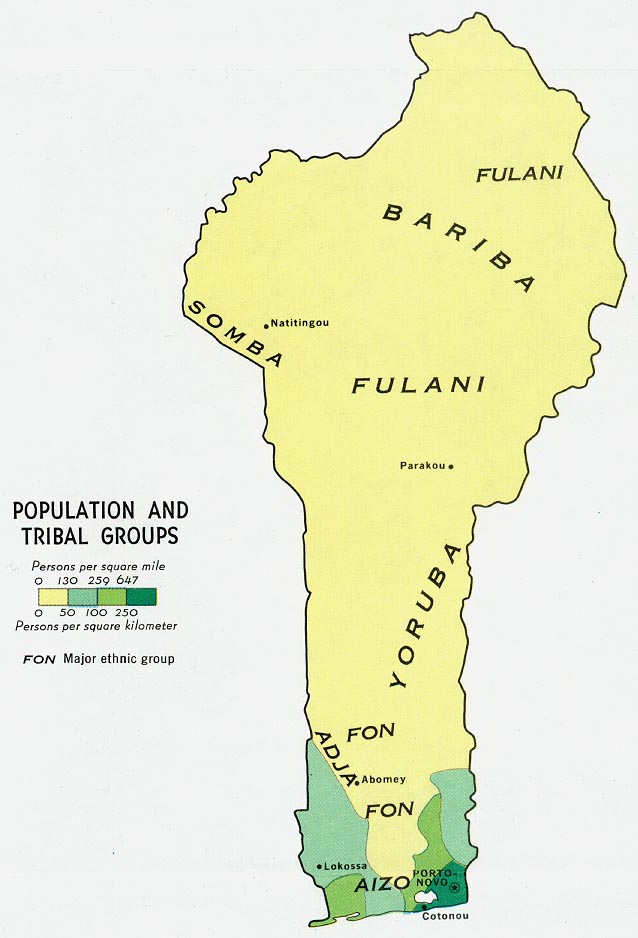

The Pila, Kpila are an ethnic group living primarily in central and northern Benin. Their language belongs to the Gur language family, which is spoken by several peoples across West Africa. The Pila have a long history tied to the land they inhabit, shaped by farming communities, kinship networks, and interaction with neighboring ethnic groups. Their identity has been preserved through oral tradition, customary law, and shared cultural practices passed down through generations. Like many peoples of the region, their history includes periods of migration, local conflict, and adaptation to changing political structures, including colonial and post-colonial governance.
Most Pila communities live in rural settings where daily life is centered on agriculture and family responsibilities. Farming provides food and limited income, with households often working small plots of land using traditional methods. Extended families play a strong role in social life, and elders are respected as keepers of wisdom and tradition. Access to education, healthcare, and infrastructure is limited, especially in remote villages. Life is shaped by the rhythms of the seasons, community events, and ceremonies that reinforce cultural identity.
The Pila people predominantly follow traditional African religions. Their spiritual worldview is shaped by animism, ancestor veneration, and the belief in various spirits that influence daily life. Rituals, sacrifices, and festivals are integral to their religious practice, seeking favor and protection from spiritual forces. There is little evidence of Christian or Islamic influence among the Pila, Kpila, and the gospel has not yet taken root in their communities
There is a need for culturally relevant evangelism and discipleship efforts. Improved access to clean water, healthcare, and education is critical. Economic development initiatives could help alleviate poverty and provide hope for the future.Training in sustainable agriculture, literacy, and health education would empower the Pila people to improve their quality of life.
Pray for open hearts among the Pila, Kpila to hear and receive the message of Jesus Christ.
Ask God to send workers who are equipped to share the gospel in culturally sensitive ways.
Intercede for breakthroughs in education, healthcare, and economic development in their communities.
Scripture Prayers for the Pila, Kpila in Benin.
International Mission Board. (n.d.). Pila of Benin. IMB 55-in-5 Resources. https://www.imb.org/55-in-5-resource/pila-of-benin/
SIM USA. (n.d.). Benin. https://www.simusa.org/west-africa/benin/
Ethnologue. (n.d.). Benin: Languages. SIL Internatio
| Profile Source: Joshua Project |