


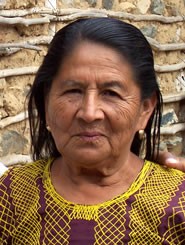

The Tlacolulita Zapoteco are part of the larger Zapotec people, one of the most prominent indigenous groups in Mexico, primarily residing in the state of Oaxaca. The Zapotec civilization has ancient roots, with a history stretching back to pre-Columbian times and the development of advanced urban centers such as Monte Albán. The Tlacolulita Zapoteco speak their own variant of the Zapotec language, which is one of over 60 dialects spoken by Zapotec communities. Over centuries, the community has endured Spanish colonization, cultural assimilation, and economic hardship, yet they have maintained a distinct identity rooted in their language, traditions, and connection to the land.
Most Tlacolulita Zapoteco live in rural villages in southern Oaxaca, where daily life centers around subsistence farming and traditional crafts such as pottery and weaving. Many families rely on agriculture for their livelihood, growing crops like corn and beans, and supplementing their income through artisanal work. The community is often close-knit, with extended families living nearby and participating in communal activities and festivals. While some members speak Spanish, many, especially the elderly, speak only their Zapoteco dialect. Economic challenges are common, and many Zapoteco live in poverty, with limited access to education and healthcare. Despite these hardships, cultural traditions, music, and communal celebrations remain vibrant aspects of daily life.
The Tlacolulita Zapoteco, like many Zapotec groups, blend traditional animistic beliefs with Roman Catholicism. While most identify as Catholic, indigenous spiritual practices persist, including reverence for spirits, ancestors, and natural elements. Myths about origins from trees, rocks, or animals such as jaguars are still part of their worldview. Religious festivals often combine Catholic saints' days with indigenous rituals, and traditional healers or shamans may play a role in community life. This syncretism can sometimes create barriers to a full embrace of biblical Christianity, as traditional fears and customs remain influential.
The Tlacolulita Zapoteco community needs improved access to education and healthcare, as poverty and isolation limit opportunities for advancement. There is a need for resources in their native language, including educational materials and Christian media, to support both literacy and spiritual growth. Economic development initiatives that support sustainable agriculture and traditional crafts could help alleviate poverty.
The community also needs encouragement and support to preserve their language and cultural heritage in the face of modernization and migration. Spiritual needs include greater access to the gospel in their own dialect and discipleship resources that address both their cultural context and spiritual questions.
Pray for spiritual breakthroughs among the Tlacolulita Zapoteco, that the gospel would be clearly understood and embraced.
Ask God to provide resources and opportunities for education, healthcare, and economic development in their villages.
Pray for the preservation of the Zapoteco language and cultural traditions, and for wise leaders to guide the community.
Intercede for the production and distribution of Christian materials, such as gospel recordings and the JESUS Film, in the Tlacolulita dialect.
Pray that Zapoteco believers would be empowered to share their faith and disciple others within their community.
Scripture Prayers for the Zapoteco, Tlacolulita in Mexico.
https://en.wikipedia.org/wiki/Zapotec_peoples
https://www.indigenousmexico.org/articles/the-mixtecs-and-zapotecs-two-enduring-cultures-of-oaxaca
https://www.sacredtreks.com/zapotec/
http://www.houstonculture.org/mexico/oaxaca_cultures.html
AI generated by Gospel Flow
| Profile Source: Joshua Project |



