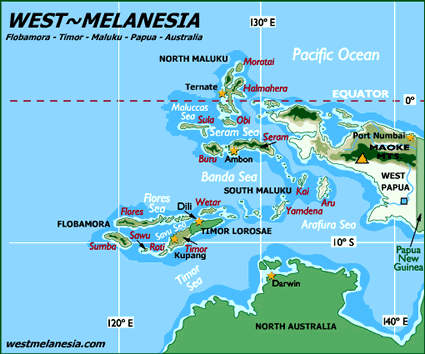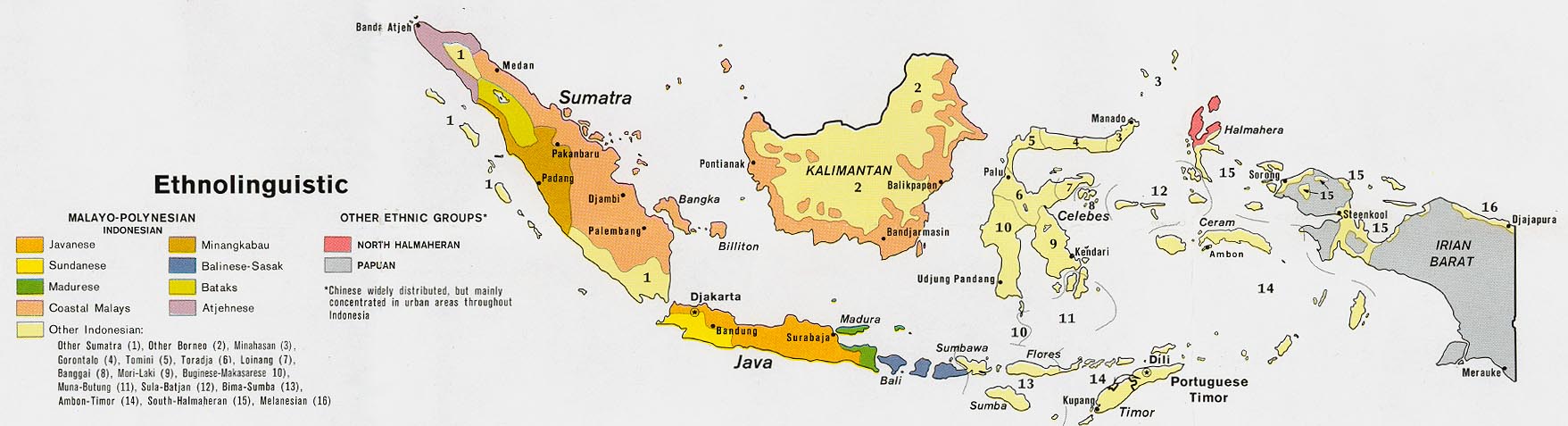
The South Wemale people live on Seram Island in Maluku Province, Indonesia. They speak the Wemale language, which is part of the Austronesian family, and most also use Indonesian for school and trade. Historically, the Wemale were forest dwellers who lived in small villages and relied on farming and hunting to survive. Their culture developed in isolation for centuries but contact with outsiders and modern influences has brought changes like formal education and limited infrastructure.
Life for the South Wemale is simple and community-focused. Families grow crops like sago, cassava, and bananas, and they also hunt and gather forest products. Villages are small and close-knit, with homes built from local materials. Travel can be tough because of the mountainous terrain, which makes access to healthcare and schools a challenge. While some younger people move to bigger towns for work or education, most stay in their villages and keep traditional ways of living.
Most South Wemale people identify as Christians, a faith introduced by missionaries many years ago. Churches and Christian holidays are important in their communities. Even so, some older customs tied to nature and ancestors still linger, creating a mix of faith and tradition.
Healthcare is hard to come by, so even treatable illnesses can become serious problems. Education is another big challenge because schools and resources are limited, especially in remote villages, which makes it tough for kids to get ahead. Jobs outside of farming are scarce, so families often struggle to find a stable income.
Pray that the South Wemale people will have chances to hear and understand the message of Jesus in a way that makes sense to them.
Ask God to strengthen those who are sharing the gospel so they can do it with love and wisdom. Pray for hearts to be open and for whole families to experience peace and hope in Christ.
Pray for better access to healthcare and education so their physical needs are met, along with their spiritual ones.
Scripture Prayers for the Wemale, South in Indonesia.
| Profile Source: Joshua Project |