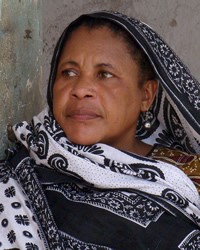

The Comoro Islands are in the Indian Ocean, not far from Madagascar. There are three main islands, each with their own language. Ndzwani is one of these islands. The Comorians are a blend of settlers from the past: Iranian traders, mainland Africans, Arabs, and Malagasy. Intermarriage between various immigrant groups created the people groups that exist on the Comoro Islands today.
Most Ndzwani islanders work in government, construction, retail, transportation, and service industries rather than agriculture. The basic diet of Comorians consists of rice, potatoes, corn, fish, coconuts, and bananas. Other crops that they grow include sweet potatoes, citrus fruits, and pineapples.
Daily life is influenced by French law, French media, mobile technology, and consumer culture to a much greater extent than on the other Comoro Islands. Though poor by French standards, Ndzwani Comorians have higher incomes and a better standard of living than they do on other islands. For this reason, it's common for other Comorians to look for work on Mayotte Island.
Although young people wear Western style clothing, traditional clothing is still common among the adults. In town, a Comorian man will typically wear a white cotton garment and a knee-length shirt, sometimes with a white jacket and a white skull cap. When he goes out of town, he wears a long cloth sarong (colorful skirt). Most women wear long, colorful cotton dresses, with bright shawls as face coverings. Other women prefer wearing black robes that cover their heads.
For recreation, Ndzwani Comorians enjoy dancing, singing, and playing instruments, especially horns and drums.
Over one-quarter of all Comorians live in cities; but whether in rural or urban areas, housing on the island is generally of poor quality.
Ndzwani people are Muslim, but they follow the teachings of the Koran very loosely. They might attend a mosque on Friday but feel no guilt about using charms from witch doctors on other days of the week. Witchcraft blends comfortably with Islam on the Comoro Islands. Most members of the Ndzwani people group see no contradiction between the two. They know that Allah is the sovereign creator, but they think that other spiritual forces must be dealt with for practical, day-to-day needs. Allah is too distant to deal with such matters.
There is a shortage of hospitals and doctors, and many people suffer from illnesses and chronic malnutrition. Because of a poor water supply, good hygiene is lacking. Such problems contribute to a high death rate, especially among young children.
The spiritual needs of the Comorians are even greater than their physical needs. Though freedom of religion exists on the islands, evangelism is not well received by Ndzwani Muslims. Their commitment to Islam, coupled with involvement in occult practices, has made them difficult to reach.
The number of Comorian believers remains small. Prayer is the first step toward seeing the eyes of their hearts opening to the Name of Jesus Christ.
Pray for the Ndzwani people to be blessed abundantly through a good harvest this year as a testimony of the Lord's sovereignty and provision.
Pray for the Lord to send out more workers to ensure that the Ndzwani have the chance to say yes to Jesus.
Pray that soon there will be a Disciple Making Movement among the Ndzwani people in the Comoros.
Scripture Prayers for the Comorian, Ndzwani in Mayotte.
| Profile Source: Joshua Project |