


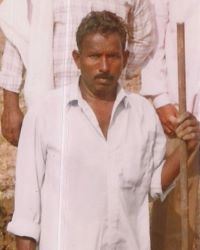

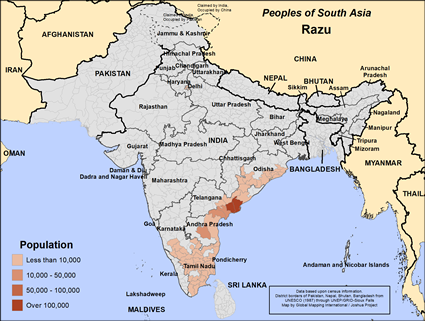
The Razu, also commonly known as Raju, are a Telugu-speaking Hindu community found primarily in Andhra Pradesh and parts of Telangana and Tamil Nadu. Historically, the Razu have been associated with landholding, military service, and regional leadership roles in southern India. Many Razu families claim descent from Rajput warrior lineages or from military officers who served South Indian kingdoms and dynasties over several centuries. Their identity has long been connected with Kshatriya traditions, social status, and service to regional rulers.
Historical records connect portions of the Razu community with the Vijayanagara Empire and other ruling powers of southern India. Over time, military service and land grants helped establish many Razu families as landowners and local elites in Telugu-speaking regions. Though modern life has diversified occupations considerably, the community still places strong emphasis on family honor, education, social standing, and preservation of ancestral traditions.
Today many Razu families live in cities, towns, and prosperous agricultural regions. While some continue farming or managing inherited land, others work in business, government service, law enforcement, education, politics, and the Indian armed forces. Extended family networks and clan identity continue to play important roles in marriage and social relationships.
The daily lives of the Razu vary between rural agricultural areas and growing urban centers. In farming regions, some families own agricultural land cultivated by hired laborers or tenant farmers. In urban settings, many Razu work in professional careers, administration, education, military service, law enforcement, business, or government employment. Education is generally highly valued, and many parents encourage children to pursue university degrees and respected professions.
Family structure and social reputation are very important within the community. Marriages are usually arranged within accepted clan and caste boundaries, and family elders often remain influential in major decisions. Respect for heritage, honor, and social standing continues to shape community life. In some traditional households, especially among older generations, customs connected to status and social separation have remained influential.
Meals commonly include rice, lentils, curries, vegetables, yogurt, and regional Telugu foods. Religious festivals, weddings, temple ceremonies, and family gatherings are important parts of social life. While younger generations increasingly adopt modern lifestyles and urban careers, many families still maintain strong connections to traditional customs and ancestral identity.
The Razu primarily follow Hinduism and are commonly associated with Vaishnavite traditions, though some also follow Shaivite practices. Worship commonly includes devotion to Vishnu, Rama, Krishna, Shiva, village deities, and family gods passed down through generations. Temple worship, household rituals, offerings, festival celebrations, and ceremonies connected to births, marriages, and deaths remain central to religious life.
Many Razu families wear the sacred thread and maintain customs associated with high-caste Hindu identity. Religious identity is often closely tied to family heritage, social honor, and ancestral tradition. In some communities, folk beliefs involving astrology, ritual purity, family deities, and supernatural protection continue alongside formal Hindu worship. Belief in karma, rebirth, and ritual obligation strongly shapes worldview and moral understanding.
Although Christianity exists throughout Andhra Pradesh and Telangana, many Razu still have limited understanding of the biblical gospel. High social status can sometimes create resistance to Christianity because Christians are often associated with lower social classes in Indian society. Many Razu may view Jesus as one religious teacher among many rather than the crucified and risen Son of God who alone provides forgiveness of sins and reconciliation with God.
The Razu need continued access to biblical teaching, spiritually mature churches, and faithful gospel witness presented with humility, wisdom, and cultural understanding. Because education and social reputation are highly valued within the community, thoughtful apologetics, personal relationships, and consistent Christian character are especially important when sharing the gospel.
Spiritually, many Razu have never clearly heard the biblical message of grace, repentance, and salvation through Jesus Christ alone. Existing believers among Telugu-speaking peoples need encouragement and training so they can faithfully reach Razu families and communities with biblical truth. There is also a need for discipleship resources, Scripture teaching, and strong local churches able to minister across social and caste boundaries.
Pray that the Razu people will hear a clear presentation of the gospel in the Telugu language and place their faith in Jesus Christ.
Pray that God will raise up mature local believers and church leaders who can disciple Razu families and establish biblically faithful churches among them.
Pray that Razu men and women in positions of influence, education, business, and government will encounter the truth of Scripture and respond with humility and faith.
Pray that the Razu people will be adopted through the People Group Adoption program so that ongoing prayer, evangelism, discipleship, and church planting efforts will continue among them.
Scripture Prayers for the Razu in India.
https://en.wikipedia.org/wiki/Raju
https://en.wikisource.org/wiki/Castes_and_Tribes_of_Southern_India/R%C4%81zu
https://www.indianrajputs.com/history/
https://jyotheeswarraju.blogspot.com/2009/05/rajus.html
| Profile Source: Joshua Project |




